

IADVL
Indexed with PubMed and Science Citation Index (E) 
 
Users online: 361 
     Home | Feedback | Login 
About Current Issue Archive Ahead of print Search Instructions Online Submission Subscribe What's New Contact  
  NAVIGATE here  
     Search
     Current Issue
     Submit Article 
     My Preferences 
     Dermatology crossword 


Export selected to
Endnote
Reference Manager
Procite
Medlars Format
RefWorks Format
BibTex Format
   Table of Contents - Current issue
Coverpage
May-June 2013
Volume 79 | Issue 3
Page Nos. 279-452

Online since Friday, April 19, 2013

Accessed 13,646 times.

PDF access policy
Full text access is free in HTML pages; however the journal allows PDF access only to users from INDIA and paid subscribers.

EPub access policy
Full text in EPub is free except for the current issue. Access to the latest issue is reserved only for the paid subscribers.
View as eBookView issue as eBook
Author Institution MappingAuthor Institution Mapping
Access StatisticsIssue statistics
RSS FeedRSS
Hide all abstracts  Show selected abstracts  Export selected to  Add to my list
EDITORIAL  

What's new in the management of acne? Highly accessed article p. 279
Arshdeep , Dipankar De
DOI:10.4103/0378-6323.110748  PMID:23619432
[HTML Full text]  [PDF]  [Mobile Full text]  [EPub]  [PubMed]  [Sword Plugin for Repository]Beta
VIEWPOINT Top

Improving case detection is more important than achieving elimination of leprosy in Odisha p. 288
Swaroop Kumar Sahu, Kariyarath C Premarajan, Gautam Roy, Ganesh Kumar
DOI:10.4103/0378-6323.110751  PMID:23619433
[HTML Full text]  [PDF]  [Mobile Full text]  [EPub]  [PubMed]  [Sword Plugin for Repository]Beta
REVIEW ARTICLES Top

Role of insulin resistance and diet in acne p. 291
Rashmi Kumari, Devinder Mohan Thappa
DOI:10.4103/0378-6323.110753  PMID:23619434
There is increasing evidence in support of the interplay of growth hormone (GH), insulin, and insulin-like growth factor-1 (IGF-1) signaling during puberty, which have a causal role in pathogenesis of acne by influencing adrenal and gonadal androgen metabolism. Milk consumption and hyperglycemic diets can induce insulin and IGF-1-mediated PI3K ⁄ Akt-activation inducing sebaceous lipogenesis, sebocyte, and keratinocyte proliferation, which can aggravate acne. Occurence of acne as part of various syndromes also provides evidence in favor of correlation between IGF-1 and acne.
[ABSTRACT]  [HTML Full text]  [PDF]  [Mobile Full text]  [EPub]  [PubMed]  [Sword Plugin for Repository]Beta

Laser and light based treatments of acne p. 300
Reena Rai, Karthika Natarajan
DOI:10.4103/0378-6323.110755  PMID:23619435
Medical treatments for acne vulgaris include a variety of topical and oral medications. Poor compliance, lack of durable remission, and potential side effects are common drawbacks to these treatments. Therefore, there is a growing demand for a fast, safe, and side-effect-free novel therapy. Acne often improves after exposure to sunlight, and this has led to the development of laser and other light therapies resulting in the overall ease of treatment, with minimal adverse effects. A variety of light and laser devices has been used for the treatment of acne, including the potassium titanyl phosphate laser, the 585- and 595-nm pulsed dye lasers, the 1450-nm diode laser, radiofrequency devices, intense pulsed light sources, and photodynamic therapy using 5-aminolevulinic acid and indocyanine green. These devices are thought to target the underlying pathogenic factors such as propionibacterium acnes colonization, increased sebaceous gland activity, and the cutaneous inflammatory response. In this article, we review the current status of light- and laser-based treatment of acne.
[ABSTRACT]  [HTML Full text]  [PDF]  [Mobile Full text]  [EPub]  [PubMed]  [Sword Plugin for Repository]Beta

Polycystic ovarian syndrome p. 310
Nina Madnani, Kaleem Khan, Phulrenu Chauhan, Girish Parmar
DOI:10.4103/0378-6323.110759  PMID:23619436
Polycystic ovarian syndrome (PCOS) is a "multispeciality" disorder suspected in patients with irregular menses and clinical signs of hyperandrogenism such as acne, seborrhoea, hirsutism, irregular menses, infertility, and alopecia. Recently, PCOS has been associated with the metabolic syndrome. Patients may develop obesity, insulin resistance, acanthosis nigricans, Type 2 diabetes, dyslipidemias, hypertension, non-alcoholic liver disease, and obstructive sleep apnoea. Good clinical examination with hematological and radiological investigations is required for clinical evaluation. Management is a combined effort involving a dermatologist, endocrinologist, gynecologist, and nutritionist. Morbidity in addition includes a low "self image" and poor quality of life. Long term medications and lifestyle changes are essential for a successful outcome. This article focuses on understanding the normal and abnormal endocrine functions involved in the pathogenesis of PCOS. Proper diagnosis and management of the patient is discussed.
[ABSTRACT]  [HTML Full text]  [PDF]  [Mobile Full text]  [EPub]  [PubMed]  [Sword Plugin for Repository]Beta

Hormone therapy in acne p. 322
Chembolli Lakshmi
DOI:10.4103/0378-6323.110765  PMID:23619437
Underlying hormone imbalances may render acne unresponsive to conventional therapy. Relevant investigations followed by initiation of hormonal therapy in combination with regular anti-acne therapy may be necessary if signs of hyperandrogenism are present. In addition to other factors, androgen-stimulated sebum production plays an important role in the pathophysiology of acne in women. Sebum production is also regulated by other hormones, including estrogens, growth hormone, insulin, insulin-like growth factor-1, glucocorticoids, adrenocorticotropic hormone, and melanocortins. Hormonal therapy may also be beneficial in female acne patients with normal serum androgen levels. An understanding of the sebaceous gland and the hormonal influences in the pathogenesis of acne would be essential for optimizing hormonal therapy. Sebocytes form the sebaceous gland. Human sebocytes express a multitude of receptors, including receptors for peptide hormones, neurotransmitters and the receptors for steroid and thyroid hormones. Various hormones and mediators acting through the sebocyte receptors play a role in the orchestration of pathogenetic lesions of acne. Thus, the goal of hormonal treatment is a reduction in sebum production. This review shall focus on hormonal influences in the elicitation of acne via the sebocyte receptors, pathways of cutaneous androgen metabolism, various clinical scenarios and syndromes associated with acne, and the available therapeutic armamentarium of hormones and drugs having hormone-like actions in the treatment of acne.
[ABSTRACT]  [HTML Full text]  [PDF]  [Mobile Full text]  [EPub]  [PubMed]  [Sword Plugin for Repository]Beta
SYMPOSIUM DERMATOPATHOLOGY Top

Appearances in dermatopathology: The diagnostic and the deceptive Highly accessed article p. 338
Bhushan Madke, Bhavana Doshi, Uday Khopkar, Atul Dongre
DOI:10.4103/0378-6323.110769  PMID:23619438
Dermatopathology involves study of the microscopic morphology of skin sections. It mirrors pathophysiologic changes occurring at the microscopic level in the skin and its appendages. Sometimes, we come across certain morphologic features that bear a close resemblance to our physical world. These close resemblances are referred to as "appearances" in parlance to dermatopathology. Sometimes, these "appearances" are unique to a certain skin disorder and thus help us to clinch to a definitive diagnosis (e.g., "tadpole" appearance in syringoma). However, frequently, these appearances are encountered in many other skin conditions and can be therefore be misleading. In this paper, we attempt to enlist such "appearances" commonly found in the dermatopathologic literature and also enumerate their differential diagnoses.
[ABSTRACT]  [HTML Full text]  [PDF]  [Mobile Full text]  [EPub]  [PubMed]  [Sword Plugin for Repository]Beta

Interface dermatitis p. 349
Rajiv Joshi
DOI:10.4103/0378-6323.110780  PMID:23619439
Interface dermatitis includes diseases in which the primary pathology involves the dermo-epidermal junction. The salient histological findings include basal cell vacuolization, apoptotic keratinocytes (colloid or Civatte bodies), and obscuring of the dermo-epidermal junction by inflammatory cells. Secondary changes of the epidermis and papillary dermis along with type, distribution and density of inflammatory cells are used for the differential diagnoses of the various diseases that exhibit interface changes. Lupus erythematosus, dermatomyositis, lichen planus, graft versus host disease, erythema multiforme, fixed drug eruptions, lichen striatus, and pityriasis lichenoides are considered major interface diseases. Several other diseases (inflammatory, infective, and neoplastic) may show interface changes.
[ABSTRACT]  [HTML Full text]  [PDF]  [Mobile Full text]  [EPub]  [PubMed]  [Sword Plugin for Repository]Beta

Histopathological features in leprosy, post-kala-azar dermal leishmaniasis, and cutaneous leishmaniasis p. 360
Avninder Singh, V Ramesh
DOI:10.4103/0378-6323.110795  PMID:23619440
Leprosy, cutaneous leishmaniasis, and post-kala-azar dermal leishmaniasis are common infectious diseases, the latter two being seen mainly in endemic areas. With increased migration within the country, these diseases are now frequently being seen in major cities. This brief review article focused mainly on histopathology will be useful for the dermatologists and pathologists to be familiar with the basic histopathology of these lesions.
[ABSTRACT]  [HTML Full text]  [PDF]  [Mobile Full text]  [EPub]  [PubMed]  [Sword Plugin for Repository]Beta

Clinicopathological correlation of acquired hyperpigmentary disorders p. 367
Anisha B Patel, Raj Kubba, Asha Kubba
DOI:10.4103/0378-6323.110798  PMID:23619441
Acquired pigmentary disorders are group of heterogenous entities that share single, most significant, clinical feature, that is, dyspigmentation. Asians and Indians, in particular, are mostly affected. Although the classic morphologies and common treatment options of these conditions have been reviewed in the global dermatology literature, the value of histpathological evaluation has not been thoroughly explored. The importance of accurate diagnosis is emphasized here as the underlying diseases have varying etiologies that need to be addressed in order to effectively treat the dyspigmentation. In this review, we describe and discuss the utility of histology in the diagnostic work of hyperpigmentary disorders, and how, in many cases, it can lead to targeted and more effective therapy. We focus on the most common acquired pigmentary disorders seen in Indian patients as well as a few uncommon diseases with distinctive histological traits. Facial melanoses, including mimickers of melasma, are thoroughly explored. These diseases include lichen planus pigmentosus, discoid lupus erythematosus, drug-induced melanoses, hyperpigmentation due to exogenous substances, acanthosis nigricans, and macular amyloidosis.
[ABSTRACT]  [HTML Full text]  [PDF]  [Mobile Full text]  [EPub]  [PubMed]  [Sword Plugin for Repository]Beta

Clinicopathological correlation of acquired hypopigmentary disorders p. 376
Anisha B Patel, Raj Kubba, Asha Kubba
DOI:10.4103/0378-6323.110800  PMID:23619442
Acquired hypopigmentary disorders comprise a significant group of disorders that affect Indians and Asians. The pigment disturbance in darker skin individuals can be very distressing to the patient and the family. These disorders cover a wide array of pathologies including infections, autoimmune processes, lymphoproliferative disorders, and sclerosing diseases. Histological diagnosis is particularly important because treatments for these diseases are varied and specific. This review will focus on histopathological diagnosis based on clinicopathological correlation for commonly encountered disorders such as leprosy, vitiligo, lichen sclerosus, pityriasis alba (PA), and pityriasis versicolor (PV). Atypical or uncommon clinical presentation of classic diseases such as hypopigmented mycosis fungoides (HMF) and hypopigmented sarcoidosis are also included.
[ABSTRACT]  [HTML Full text]  [PDF]  [Mobile Full text]  [EPub]  [PubMed]  [Sword Plugin for Repository]Beta
ORIGINAL ARTICLES Top

Sclerotherapy in the management of varicose veins and its dermatological complications p. 383
Nagesh T Subbarao, Sacchidanand S Aradhya, Nataraja H Veerabhadrappa
DOI:10.4103/0378-6323.110746  PMID:23619443
Background: Varicose veins and its dermatological complications like stasis dermatitis, ulcers, spontaneous bleeding are commonly seen in the dermatology clinics. Surgery has been the most often used treatment for varicose veins. Sclerotherapy refers to introduction of sclerosing solution into the varicose veins, which causes endothelial damage and subsequent fibrosis. Sclerotherapy is being practised extensively by dermatosurgeons in the west. However, there are no Indian studies which specifically evaluate the role of sclerotherapy in the management of varicose veins and its skin complications. Hence, this study aims to evaluate the efficacy of sclerotherapy in managing varicose veins and its complications. Aims: To study the safety and efficacy of sclerotherapy in the treatment of varicose veins and its dermatological complications. Methods: This is a prospective study involving 50 patients with varicose veins and its dermatological complications attending the dermatology out-patient department. The study was conducted over a period of 18 months. After thorough clinical, laboratory, and radiological evaluation, the patients were treated with sclerotherapy using Sodium Tetradecyl Sulphate of various concentrations depending on the vessel size. The patients were then followed up to look for disappearance of veins, healing of ulcers and eczema, and any complications.Results: Patients showed a good response to treatment with sclerotherapy. 70-80% of patients showed symptomatic improvement along with disappearance of veins and healing of eczema and ulcers. Most of the complications were minor, which resolved over a period of few weeks. Conclusion : Sclerotherapy is a simple, safe and effective procedure for the treatment of varicose veins and its dermatological complications. The procedure is particularly effective for smaller, early varicosities and also for residual veins after surgery. Hence we recommend more and more of our fellow dermatologists to take up this procedure, which can be an efficient tool to manage patients with varicose veins and its related complications.
[ABSTRACT]  [HTML Full text]  [PDF]  [Mobile Full text]  [EPub]  [PubMed]  [Sword Plugin for Repository]Beta

A systematic review of the drug-induced Stevens-Johnson syndrome and toxic epidermal necrolysis in Indian population p. 389
Tejas K Patel, Manish J Barvaliya, Dineshchandra Sharma, Chandrabhanu Tripathi
DOI:10.4103/0378-6323.110749  PMID:23619444
Background: Stevens-Johnson syndrome (SJS) and toxic epidermal necrolysis (TEN) are rare severe cutaneous drug reactions. No large scale epidemiological data are available for this disorder in India. Aims: To carry out a systematic review of the published evidence of the drug-induced SJS and TEN in Indian population. Methods: Publications from 1995 to 2011 describing SJS and TEN in Indian population were searched in PubMed, MEDLINE, EMBASE and UK PUBMED Central electronic databases. Data were collected for the causative drugs and other clinical characteristics of SJS and TEN from the selected studies.Results: From 225 references, 10 references were included as per selection criteria. The major causative drugs were antimicrobials (37.27%), anti-epileptics (35.73%) and non-steroidal anti-inflammatory drugs (15.93%). Carbamazepine (18.25%), phenytoin (13.37%), fluoroquinolones (8.48%) and paracetamol (6.17%) were most commonly implicated drugs. Regional differences were observed for fluoroquinolones, sulfa drugs and carbamazepine. Total 62.96% of patients showed systemic complications. Most common complications were ocular (40.29%) and septicemia (17.65%). Higher mortality was observed for TEN as compared to SJS (odd ratio-7.19; 95% confidence interval (CI) 1.62-31.92; p = 0.0023). Observed mortality is higher than expected as per SCORTEN score 3. Duration of hospital stay was significantly higher in TEN (20.6 days; 95% CI 14.4-26.8) as compared to SJS (9.7 days; 95% CI 5.8-13.6; p = 0.020). Cost of management was significantly higher in TEN (Rs. 7910; 95% CI 5672-10147; p < 0.0001) as compared to SJS (Rs 2460; 95% CI 1762-3158). No statistical data were described for steroid use in the studies included. Conclusion: Carbamazepine, phenytoin, fluoroquinolones and paracetamol were the major causative drugs. TEN is showing higher mortality, morbidity and economic burden than SJS.
[ABSTRACT]  [HTML Full text]  [PDF]  [Mobile Full text]  [EPub]  [PubMed]  [Sword Plugin for Repository]Beta

Spectrum of periorbital dermatoses in South Indian population p. 399
Laxman Besra, Telanseri J Jaisankar, Devinder Mohan Thappa, Munisamy Malathi, Rashmi Kumari
DOI:10.4103/0378-6323.110762  PMID:23619445
Background: Periorbital dermatoses are very common dermatological disorders which pose a diagnostic and therapeutic challenge for the treating dermatologist due to the similarity of symptoms in this area. Aims: To study the spectrum of periorbital dermatoses and to assess the association of systemic diseases with periorbital dermatoses. Methods: This was a hospital based descriptive study done on 250 consecutive patients irrespective of their age and sex who attended the Dermatology out patient department (OPD), with dermatological conditions pertaining to the periorbital area over a period of 2 years from October 2010 to September 2012. Results: The most common dermatological conditions seen in the periorbital region were benign and malignant skin tumors observed in 63 (25.2%) cases, followed by the disorders of pigmentation in 51 (20.4%) and eczema in 44 cases (17.6%), infections in 33 (13.2%) cases and nevoid conditions in 26 (10.4%) cases. Certain periorbital dermatoses were significantly more in females than in males in the present study like skin tags, connective tissue diseases, and periorbital melanosis (POM). Some periorbital dermatoses were significantly more common in older age group such as seborrheic keratoses, skin tags and airborne contact dermatitis whereas infections, syringomas, allergic contact dermatitis and atopic dermatitis were more prevalent in younger age group. Syringomas and POM were more common in middle-aged women. Conclusions: The most common dermatological condition seen in the periorbital region in this study are benign skin tumors (keratosis and skin tags), followed by the disorders of pigmentation and eczema, infections and nevoid conditions.
[ABSTRACT]  [HTML Full text]  [PDF]  [Mobile Full text]  [EPub]  [PubMed]  [Sword Plugin for Repository]Beta

Dermoscopic evaluation of therapeutic response to an intralesional corticosteroid in the treatment of alopecia areata p. 408
Shikhar Ganjoo, Devinder Mohan Thappa
DOI:10.4103/0378-6323.110767  PMID:23619446
Background: Intralesional corticosteroids are the treatment of choice for adults with less than 50% of scalp area involvement with alopecia areata. The sensitivity of picking up clinical response to treatment by clinical examination is very variable and has inter individual variation. Aims: To evaluate the efficacy of intralesional triamcinolone acetonide in the treatment of alopecia areata and to use dermoscopy to identify signs of early clinical response and adverse effects. Methods: Seventy patches in 60 patients were injected with steroid at 4 weeks interval and followed up for 24 weeks. Treatment response was evaluated using regrowth scale (RGS). Heine DELTA 20; dermatoscope was used to assess disease activity, response to treatment and side effects. Results: Twenty eight patients responded early and achieved RGS of 4 within 12 weeks and 29 patients responded late and achieved RGS of 4 within 24 weeks of initiating therapy. There were 3 patients who did not achieve RGS of 4 at 24 weeks. Late and incomplete responders showed statistically significant association with family history of alopecia areata (p < 0.0001), presence of recurrent disease (p = 0.0147) and presence of nail changes (p = 0.0007). Dermoscopically, 60 patches demonstrated regrowth of new vellus hair at 4 weeks. Tapering hair disappeared maximally at 4 weeks. At 12 weeks, complete disappearance was seen in tapering hairs, broken hairs and black dots whereas for yellow dots to disappear completely in all patches it took 16 weeks. The adverse effects were observed at an earlier stage using dermoscopy than clinically. Conclusion: Intralesional triamcinolone acetonide is efficacious for treatment of localized patchy alopecia areata. Dermoscopy is very useful to identify signs of early clinical response, adverse effects and markers of disease activity.
[ABSTRACT]  [HTML Full text]  [PDF]  [Mobile Full text]  [EPub]  [PubMed]  [Sword Plugin for Repository]Beta
IMAGES IN CLINICAL PRACTICE Top

Cutaneous larva migrans p. 418
Yasha Upendra, Vikram K Mahajan, Karaninder S Mehta, Pushpinder S Chauhan, Bal Chander
DOI:10.4103/0378-6323.110770  PMID:23619447
[HTML Full text]  [PDF]  [Mobile Full text]  [EPub]  [PubMed]  [Sword Plugin for Repository]Beta
LETTERS TO THE EDITOR Top

Which therapy works for melasma in pigmented skin: Lasers, peels, or triple combination creams? p. 420
Kabir Sardana, Shikha Chugh, Vijay K Garg
DOI:10.4103/0378-6323.110771  PMID:23619448
[HTML Full text]  [PDF]  [Mobile Full text]  [EPub]  [PubMed]  [Sword Plugin for Repository]Beta

Hormonal profile and polycystic ovaries in women with acne vulgaris p. 422
Zubair Abdullah, Qazi Masood, Iffat Hassan, Omar Kirmani
DOI:10.4103/0378-6323.110772  PMID:23619449
[HTML Full text]  [PDF]  [Mobile Full text]  [EPub]  [PubMed]  [Sword Plugin for Repository]Beta

Subungual glomus tumors of the finger in a patient with type 1 neurofibromatosis p. 424
Hiroko Kuwabara, Mai Hara, Masako Yuki, Yuro Shibayama
DOI:10.4103/0378-6323.110775  PMID:23619450
[HTML Full text]  [PDF]  [Mobile Full text]  [EPub]  [PubMed]  [Sword Plugin for Repository]Beta

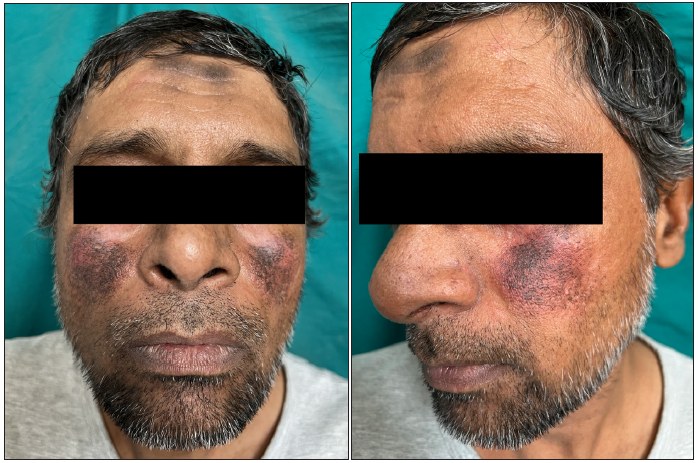
Periocular lupus vulgaris secondary to lacrimal sac tuberculosis: A rare presentation with emphasis on magnetic resonance imaging in localizing the primary focus of infection p. 425
Shuchi Bansal, Bijaylaxmi Sahoo, Vijay Kumar Garg, Sapna Singh
DOI:10.4103/0378-6323.110778  PMID:23619451
[HTML Full text]  [PDF]  [Mobile Full text]  [EPub]  [PubMed]  [Sword Plugin for Repository]Beta

Primary cryoglobulinemia with cutaneous features p. 427
AS Krishnaram, T Geetha, Pratheepa , Anuj Saigal
DOI:10.4103/0378-6323.110781  PMID:23619452
[HTML Full text]  [PDF]  [Mobile Full text]  [EPub]  [PubMed]  [Sword Plugin for Repository]Beta

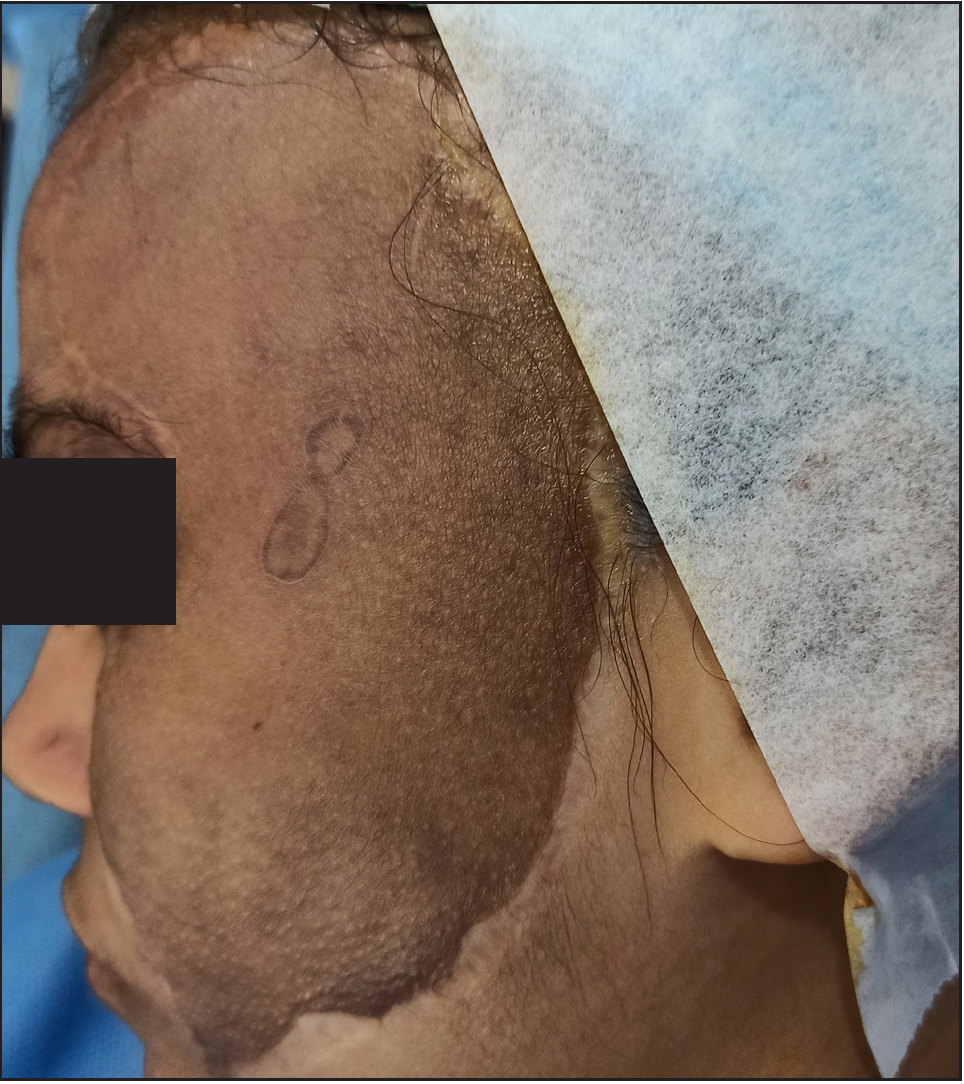
Gold granuloma in a beaded pattern due to lightning strike: A unique presentation p. 430
Rahima Saleem, Najeeba Riyaz, Manjula A Anupama
DOI:10.4103/0378-6323.110785  PMID:23619453
[HTML Full text]  [PDF]  [Mobile Full text]  [EPub]  [PubMed]  [Sword Plugin for Repository]Beta

Etanercept-induced hypertriglyceridemia during the treatment of recurrent aphthous stomatitis p. 432
Marcos A Gonzalez-Lopez, Ricardo Blanco, Carmen Garcia-Ibarbia, Carmen M Gonzalez-Vela, Miguel A Gonzalez-Gay
DOI:10.4103/0378-6323.110788  PMID:23619454
[HTML Full text]  [PDF]  [Mobile Full text]  [EPub]  [PubMed]  [Sword Plugin for Repository]Beta

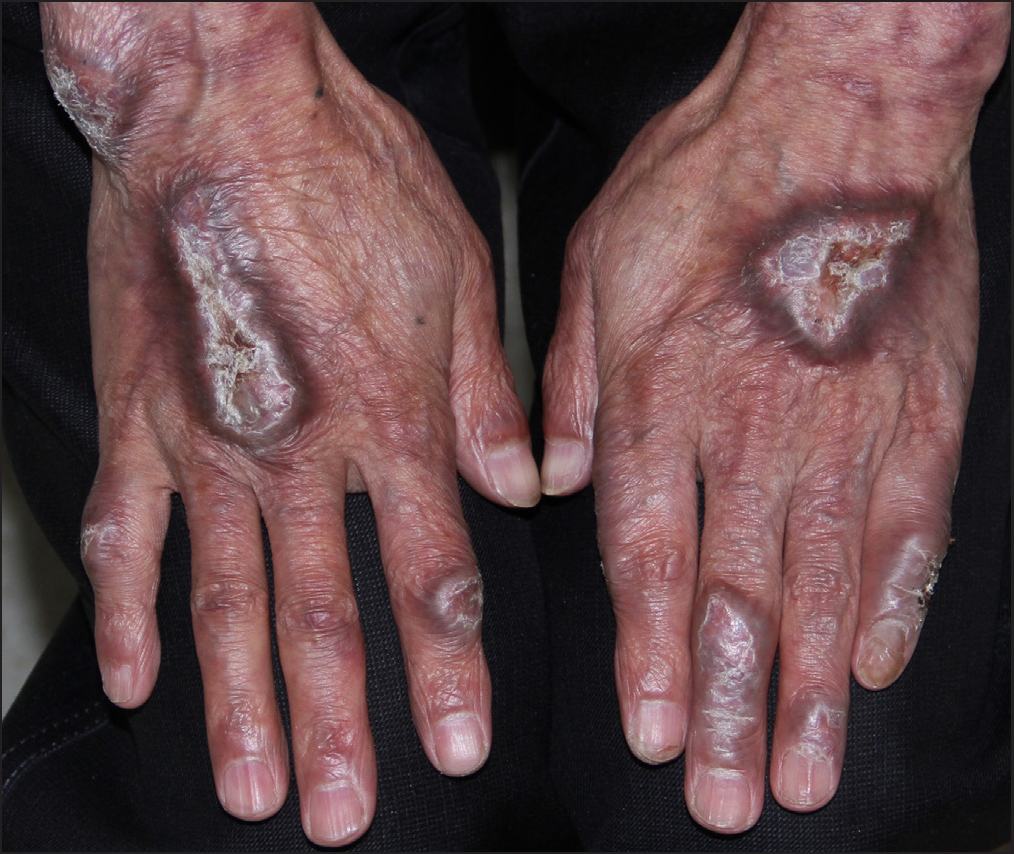
Benign giant cutaneous horn formed by giant porokeratosis of Mibelli with dysplasia p. 433
Mohanan Saritha, Rashmi Kumari, Devinder M Thappa, Nachiappa G Rajesh, Surendra Kumar Verma
DOI:10.4103/0378-6323.110791  PMID:23619455
[HTML Full text]  [PDF]  [Mobile Full text]  [EPub]  [PubMed]  [Sword Plugin for Repository]Beta

Extraskeletal chondroma of the scalp: An atypical location p. 435
Yunseok Choi, Won-Suk Lim, Ai-Young Lee, Seung-Ho Lee
DOI:10.4103/0378-6323.110793  PMID:23619456
[HTML Full text]  [PDF]  [Mobile Full text]  [EPub]  [PubMed]  [Sword Plugin for Repository]Beta

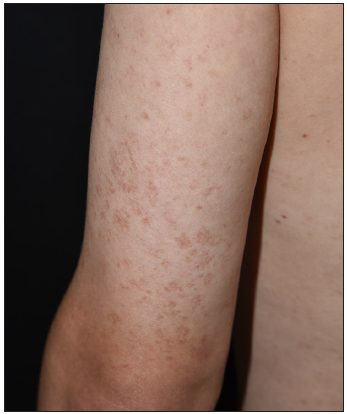
Unusual presentation of lichen scrofulosorum p. 436
Ameet Dandale, Nandini Gupta, Rachita Dhurat, Smita Ghate
DOI:10.4103/0378-6323.110797  PMID:23619457
[HTML Full text]  [PDF]  [Mobile Full text]  [EPub]  [PubMed]  [Sword Plugin for Repository]Beta
RESIDENT’S PAGE Top

Characteristic facies: An index of the disease p. 439
Shilpa Kanathur, Sacchidanand Sarvajnyamurthy, Savitha A Somaiah
DOI:10.4103/0378-6323.110801  PMID:23619458
[HTML Full text]  [PDF]  [Mobile Full text]  [EPub]  [PubMed]  [Sword Plugin for Repository]Beta
NET LETTERS Top

Long-term management of HIV/hepatitis C virus associated psoriasis with etanercept p. 444
Vito Di Lernia, Giuliana Zoboli, Elena Ficarelli
DOI:10.4103/0378-6323.110807  PMID:23619459
[HTML Full text]  [PDF]  [Mobile Full text]  [EPub]  [PubMed]  [Sword Plugin for Repository]Beta

Navigating dermatology training in the United Kingdom p. 444
Sreedhar K Krishna, Ankeet S Jethwa
DOI:10.4103/0378-6323.110810  PMID:23619460
[HTML Full text]  [PDF]  [Mobile Full text]  [EPub]  [PubMed]  [Sword Plugin for Repository]Beta
QUIZ Top

Asymptomatic conchal papules p. 445
Rajat Kandhari, V Ramesh, Avninder Singh
DOI:10.4103/0378-6323.110808  PMID:23619461
[HTML Full text]  [PDF]  [Mobile Full text]  [EPub]  [PubMed]  [Sword Plugin for Repository]Beta
CURRENT BEST EVIDENCE Top

Current best evidence from dermatology literature p. 448
Tarun Narang, Rahul Mahajan
DOI:10.4103/0378-6323.110809  
[HTML Full text]  [PDF]  [Mobile Full text]  [EPub]  [Sword Plugin for Repository]Beta
Online since 15th March '04
Published by Medknow